After having a baby you might not feel yourself in your body. You might feel softer through the middle, less supported when you move, or notice your belly pushing forward in ways it didn’t before. Even months later, things like getting out of bed, lifting your baby, or standing for long periods may feel harder than expected. Many postpartum women assume this is just part of recovery or something they need to “work through.” In reality, these changes often link back to diastasis recti, a very common core condition that doesn’t get explained nearly enough.
Diastasis recti isn’t about looks. It’s about how your core functions, supports your spine, and handles daily movement. And the good news is that with the right approach, you can rebuild strength and confidence in your body again. Without rushing, straining, or doing endless crunches.
Let’s talk about what diastasis recti really is, why it happens, and how to fix it in a way that actually makes sense for postpartum life.
What Diastasis Recti Really Means?

Diastasis recti describes a separation along the connective tissue that runs down the center of your abdomen. During pregnancy, this tissue stretches to allow space for your growing baby. For many women, it gradually regains tension after birth. For others, it stays stretched and unsupported.
When that happens, the abdominal muscles struggle to work together. Instead of creating stability, pressure moves outward. This can affect how you breathe, stand, lift, and even walk.
You might notice that your belly domes when you sit up, or that your core feels weak no matter how much you try to engage it. Some women also experience lower back discomfort, poor posture, or a sense that their body isn’t quite holding itself together yet. None of this means your body has failed. It means your core needs retraining, not punishment.
Why Diastasis Recti Happens?

Pregnancy places a huge demand on the abdominal wall. As your belly expands, the connective tissue stretches. Hormonal changes also make tissues more flexible, which is helpful for birth but challenging for recovery.
After delivery, daily habits can keep that separation from improving. Sitting slouched while feeding, holding your breath when lifting, rushing back into high-pressure exercises, or skipping core reconnection work can all slow progress. Diastasis recti develops over time, and it heals the same way. There’s no single exercise that fixes it overnight.
Can You Fix Diastasis Recti?
In many cases, yes. While the physical gap may not fully close for everyone, strength, tension, and function can improve dramatically. The goal is not to force the muscles together. The goal is to restore how the core system works as a whole. That includes your deep abdominal muscles, pelvic floor, breathing patterns, and posture. When these pieces reconnect, your core becomes supportive again. Movements feel smoother. Your body feels more stable. Everyday tasks stop feeling so demanding.
The Right Way To Exercise With Diastasis Recti
Exercises that support diastasis recti focus on control rather than intensity. They teach your body how to manage pressure from the inside out.
Breathing plays a major role. Learning how to exhale during effort helps the deep core engage naturally. Gentle movements that stay slow and intentional allow the muscles to relearn coordination. Early on, exercises often feel subtle. That’s a good thing. Progress comes from consistency, not from doing more. As strength improves, exercises can gradually become more dynamic. The key is that your core stays responsive and supported throughout the movement.
Why Some Exercises Make It Worse?

Many traditional core exercises create outward pressure. Sit-ups, crunches, and aggressive twisting ask the abdominal wall to do more than it’s ready for. If you notice doming, bulging, or a feeling of strain through the midline, your body is telling you to slow down. Pushing through that feedback delays healing. This doesn’t mean you’ll never do these exercises again. It just means timing matters.
Daily Movement Matters More Than You Think
You don’t just train your core during workouts. You train it every time you move. How you get out of bed, how you lift your baby, how you stand while cooking, and how you breathe during effort all affect diastasis recti recovery.
Small changes, like exhaling before lifting or engaging your core gently before standing, make a real difference over time. These habits build support without adding stress.
Progress Looks Different For Everyone

Some women notice changes quickly. Others need more time. Both are normal. Healing diastasis recti isn’t about perfection or bouncing back. It’s about building a body that feels capable again. Strength returns through patience, repetition, and respect for where you are right now. Your body has already done something incredible. Recovery deserves the same care.
Ready to Start Rebuilding Your Core?
To help you get started, I’ve created a diastasis recti exercise routine you can follow at home. It focuses on safe, effective movements designed to rebuild core strength without adding unnecessary pressure.
👉 Watch the full diastasis recti workout on my YouTube channel here.
Let’s Stay Connected!
If you’re working on core recovery, I’d love to support you beyond this article. Join me across social media for gentle workouts, posture tips, and realistic movement ideas that fit into everyday life.
📺 YouTube: Workout Bestie
📸 Instagram: @Workout.Bestie
📱 TikTok: @Workout.Bestie
Tag me if you try the workout and share how it feels, every small step forward counts.
A New Workout Outfit to Keep You Motivated?

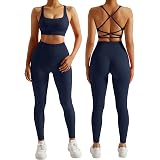
SUUKSESS Women Sexy Workout Sets Padded Sports Bra High Waisted Shorts Outfits
USD 22.45 (as of October 9, 2026 15:08 GMT +01:00 – More infoProduct prices and availability are accurate as of the date/time indicated and are subject to change. Any price and availability information displayed on Amazon site at the time of purchase will apply to the purchase of this product.)
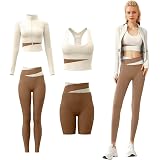
Yu & Me PARIS Women Seamless 2 Piece Gym Set – Long Sleeve Zip Up Sports Jacket & High Waisted Leggings Matching Activewear Yoga Workout Tracksuit
USD 38.40 (as of October 9, 2026 15:08 GMT +01:00 – More infoProduct prices and availability are accurate as of the date/time indicated and are subject to change. Any price and availability information displayed on Amazon site at the time of purchase will apply to the purchase of this product.)
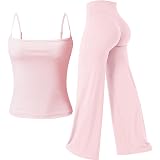
Womens 2 Piece Lounge Sets V-Neck Sweatsuits Wide Leg Jogger | Casual, Autumn-Winter-Travel-Vacation-Outfits, Workout-Gym-Clothing-Comfy-Clothes, Pullover-Tops, Wide-Leg-Pants-Pocket
(as of October 9, 2026 15:08 GMT +01:00 – More infoProduct prices and availability are accurate as of the date/time indicated and are subject to change. Any price and availability information displayed on Amazon site at the time of purchase will apply to the purchase of this product.)
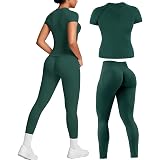
2Pc Seamless Yoga Set Women Crew Neck Shirt High Waist Fitness Leggings | Seamless, hip lifting, quick drying
USD 13.36 (as of October 9, 2026 15:08 GMT +01:00 – More infoProduct prices and availability are accurate as of the date/time indicated and are subject to change. Any price and availability information displayed on Amazon site at the time of purchase will apply to the purchase of this product.)
Womens Workout Sets Gym Outfits 2 Pieces Seamless Longline Halter Backless Crop Top Scrunch Bums Shorts Yoga Tracksuit
USD 28.13 (as of October 9, 2026 15:08 GMT +01:00 – More infoProduct prices and availability are accurate as of the date/time indicated and are subject to change. Any price and availability information displayed on Amazon site at the time of purchase will apply to the purchase of this product.)DISCLAIMER: This article and any associated social media is created for entertainment and informational purposes only. They do not constitute medical advice or professional services specific to you or your medical condition.